

Interactive displays are often the most impactful upgrade, as they dramatically enhance lesson delivery and student engagement while integrating easily with other classroom tools. Staff training is very important to get the most out of these investments.
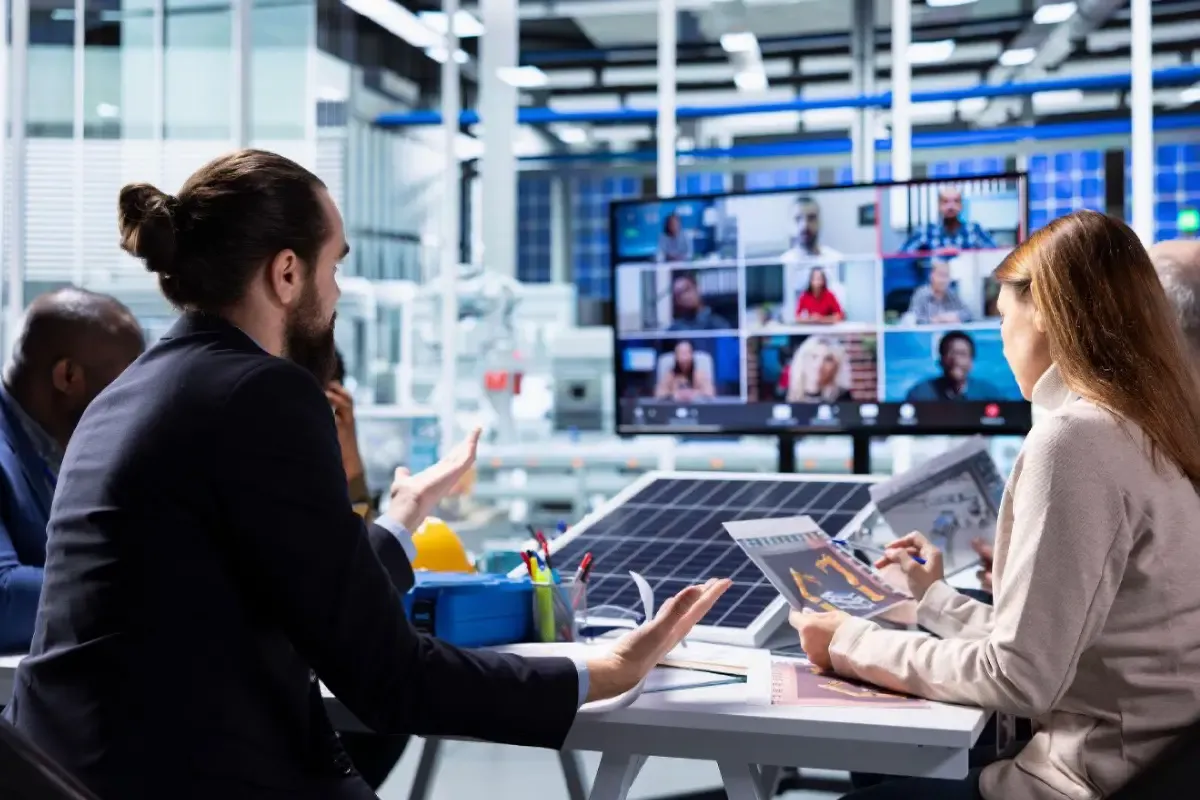
Schools need reliable, integrated, and future-ready AV systems. Classrooms in 2026 are no longer passive spaces. Instead, they are active learning hubs powered by classroom AV solutions and driven by the adoption of modern technologies in teaching. Students today learn through interaction, collaboration, and engagement, and expectations that teachers can only meet with the right tools in place.
Why Modern AV Matters
For many schools, upgrading technology is not just about staying current; it’s about creating meaningful and effective learning experiences that prepare students for the world ahead. Modern AV Solutions:
- Have a lower TCO (total Cost of Ownership)
- Have better visual clarity, brightness and contrast.
- Have better eye care integrated into their products
- Have better audio clarity and projection
- Have more uptime and better support when things go wrong.
- Are easier to use.
All of which contributed to a better learning environment. Whether enhancing lesson delivery or supporting hybrid learning, Modern Classroom technology is now essential, not optional. Below, we explore five key AV solutions every school should be considering as they plan.
Interactive Displays for Smart Classrooms
Interactive displays have quickly become the centrepiece of Modern Classroom technology, offering dynamic features that traditional whiteboards simply cannot match. These displays allow teachers to annotate lessons, share multimedia resources, access cloud-based content, and even enable students to interact directly with the screen.
As modern technologies in teaching continue to evolve, interactive displays bridge the gap between digital resources and face-to-face instruction. Teachers can run virtual manipulatives, display real-time data, and collaborate with students and their devices. Compared to traditional projectors, interactive displays also offer better visibility, longer lifespan, and lower ongoing maintenance, making them a practical investment for 2026 and beyond.
For schools committed to student engagement, interactive displays are one of the most impactful classroom AV solutions available when used well. There is always a risk they will be used as mere YouTube Screens or the dreaded PowerPoint deck, so leaders should put resources into training and support.
PA and Sound Systems
Clear communication is critical in education, yet many under-cover areas struggle with poor acoustics and inconsistent sound levels. A dedicated under-cover PA and sound system ensures that every student, whether seated at the front or back, can hear clearly.
These systems support teachers by reducing vocal strain and improving the overall learning environment.
For larger spaces such as halls, gyms, and multi-purpose rooms, upgraded sound systems ensure that assemblies, events, and performances deliver professional-quality audio. As student needs diversify and teaching environments expand, A reliable PA system for schools is one of the essential modern technologies that educational institutions cannot overlook.
Projectors and High-Quality Screens
While interactive displays are growing quickly in popularity, projectors remain an essential part of many school AV plans. Modern laser projectors offer outstanding brightness, long life, and minimal maintenance, making them ideal for large classrooms, libraries, and multipurpose areas.
High-quality screens paired with modern projectors ensure that images and videos remain crisp, even in rooms with high ambient light. For schools focused on cost-effective upgrades, projectors continue to be a smart choice within their broader classroom AV solutions.
Projectors are particularly effective for:
- Flexible teaching environments
- Larger-than-life visual presentations
- Shared learning spaces
- Light-controlled spaces like theatres or performing arts spaces.
Whether upgrading existing equipment or rolling out new installations, schools should consider projectors as a part of their 2026 AV strategy where appropriate.
Video Conferencing for Hybrid Learning
Hybrid learning has become a standard feature of modern education, enabling lessons to continue during student absences, staff development days, or cross-campus collaboration. Reliable video conferencing tools give schools the ability to connect with students anywhere, support remote sessions, and enhance parent-teacher communication.
Integrated cameras, microphones, and displays create a seamless experience that goes far beyond simple webcam setups. When paired with modern technologies in teaching, video conferencing supports:
- Virtual excursions
- Guest speakers from around the world
- Collaboration between classrooms or campuses
- Real-time tutoring and intervention sessions.
By expanding how learning can occur, hybrid-ready classrooms enhance accessibility and help maintain academic continuity, no matter the circumstances.
Professional AV Installation and Support
Even the best AV systems will fall short without proper installation, maintenance, and ongoing support. Professional AV services ensure that every component works together, integrates with existing technology, and remains reliable over time.
This includes:
- System design and planning
- Cabling and connectivity
- Hardware installation
- Software configuration
- Training for teachers
- Ongoing troubleshooting and updates
Having a dedicated AV partner ensures consistency, reliability, and safety. For 2026 and beyond, schools need more than just equipment; they need dependable support that keeps their systems running smoothly and aligns with their long-term budgeting roadmap.
Conclusion
As schools prepare for the next wave of digital transformation, investing in the right AV solutions is essential. From interactive displays and sound systems to projectors, hybrid learning tools, and professional support, each component plays a vital role in shaping a smarter, more connected learning environment.
By embracing classroom AV solutions, leveraging Modern Classroom technology, and adopting modern technologies in teaching, schools can create learning experiences that are immersive, inclusive, and effective. In 2026, the goal is not just to keep up with technology—but to empower teachers and students with tools that enrich learning every day.