


Key trends include immersive LED and 3D displays, AI-powered AV automation, AV-over-IP ecosystems, sustainability, cybersecurity, wireless collaboration, and advanced signage solutions.
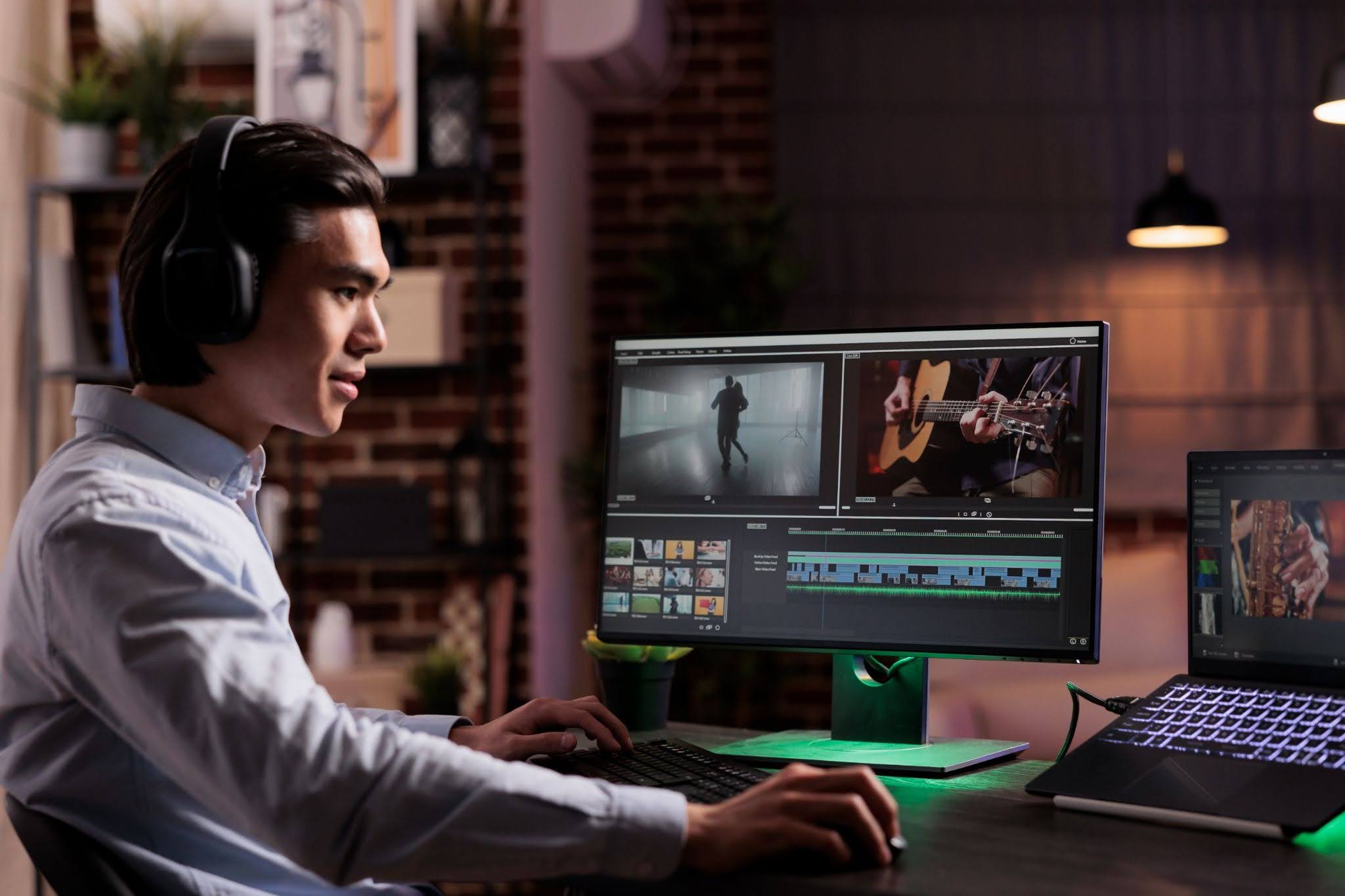
The pace of change in AV has always been fast, but 2026 is shaping up to be one of the most pivotal years the industry has seen. Between immersive displays, AI-powered automation, supply chain pressures, sustainability demands, and rising cybersecurity threats, businesses are facing new decisions about how to future-proof their technology ecosystems.
This guide breaks down the most important AV trends shaping workplaces, collaboration spaces, and commercial environments in 2026 and why now is the time for organisations to take notice.
Why Audio Visual Trends Matter for Modern Businesses
AV has moved from “nice-to-have gadgets” to mission-critical business infrastructure. According to AVIXA, AV systems are now deeply intertwined with IT networks, cloud services, and enterprise workflows, meaning every display, microphone, or collaboration tool becomes part of an organisation’s operational backbone.
At the same time, smarter displays, immersive environments, and AI-powered audio automation are creating new expectations for what a modern workplace should deliver. Businesses that embrace these changes see.
- stronger communication
- smoother hybrid collaboration
- more engaging customer experiences
Emerging AV Technology Trends Businesses Should Watch in 2026
Emerging AV technologies in 2026 are set to transform how businesses communicate, collaborate, and engage audiences, with innovations focused on smarter automation, immersive experiences, and seamless integration across digital environments.
1. Immersive LED, 3D & Next-Gen Display Technologies
LED walls continue their explosive rise thanks to clearer resolution, flexible shapes, and micro-LED innovation. LED now outperforms projection in brightness, clarity, and scalability for commercial spaces, and resolution is increasing.
We’re also seeing a global rollout of glasses-free 3D displays, like Samsung’s 85″ Spatial Signage, which uses patented 3D Plate technology to create real depth without glasses, perfect for retail, museums, and high-impact visual environments.
Add to this the emergence of lenticular displays (also glasses-free 3D) and E-Ink digital posters, which offer ultra-low-power signage with stunning readability in bright conditions. These technologies give businesses more ways to capture attention without increasing energy consumption. This type of digital signage in Perth is just starting to arrive and make its mark in retail, public spaces, and the private sector.
2. AI-Powered Audio, Visual & Workflow Automation
2026 is the year AI goes from “bolt-on” to baseline. ISE reports that businesses are demanding systems where AI handles audio tuning, content optimisation, intelligent lighting, and automatic camera operations, moving AV closer to a self-operating environment.
Real-time noise cancellation, voice enhancement, and auto-mixing that sound natural rather than robotic.
The result? Meeting rooms that adjust themselves, not rooms that require a “tech-savvy hero” to start a call.
3. Sustainability and Supply-Chain Resilience
A powerful new trend for 2026 is the intersection of sustainability and supply-chain vulnerability.
AVIXA confirms that sustainability is now a top industry priority, with companies seeking energy-efficient systems, durable hardware, and reduced environmental footprints. TCO as always, is still a core part of this.
Meanwhile, the Australian Government is urgently mapping its most exposed supply chains, including plastics and polymers, examining how post-industrial and post-consumer recycled materials could reduce import reliance. AV hardware from enclosures to display bezels relies heavily on these materials. Businesses may have a role to play even if not immediately obvious, particularly through procurement of sustainable AV products and pressure on vendors to localise or recycle production streams.
4. AV-over-IP and Fully Networked Systems
2026 marks a major shift from standalone hardware to ecosystem-level systems. Organisations are no longer just buying “better displays”; they’re building entire AV networks with cloud management, distributed audio, and intelligent endpoints.
AV-over-IP (AVoIP) has officially left the “early adopter” phase and become foundational infrastructure.
5. Cybersecurity as a Core AV Requirement
As AV and IT converge, cybersecurity becomes non-negotiable.
Both AVIXA and ISE note that every networked display, camera, or microphone is a potential attack surface, driving demand for secure-by-design AV hardware and cloud-driven security frameworks.
This aligns with Australia’s Essential 8 maturity model, where AV is emerging as a soft target due to outdated firmware, unsecured devices, and overlooked network risks.
Future of Audio Visual Systems in Modern Workplaces
AV technology is no longer about devices; it’s about integrated environments. Businesses are shifting toward:
- Smart spaces with sensors and AI-driven automation
- Unified control platforms for managing rooms, devices, occupancy, and collaboration
- Flexible environments that adapt to hybrid work, digital workflows, and customer engagement
- Data-driven AV analytics to monitor usage and optimise resources
By 2026, AV systems don’t just support workplace collaboration, they shape it.
Wireless and Touchless Audio Visual Systems for Businesses
Wireless and touchless systems gained momentum during the pandemic, but in 2026, they’re becoming the default for usability and health compliance.
AVIXA highlights increasing prioritisation of interoperability, allowing staff to join meetings from any device or platform without touching shared hardware.
Fully wireless presentation systems reduce cables, simplify operation, and improve room aesthetics. Touchless controls using voice, sensors, and automation minimise shared touchpoints and speed up meeting starts.
Advanced Display Innovations in Audio Visual Technology Trends
Beyond LED and glasses-free 3D, advanced displays include:
- Curved and flexible LED panels for creative installations
- Transparent LED for futuristic shopfronts and counters
- High-brightness outdoor LED with superior durability
- E-Ink signage is gaining traction for ultra-low-power digital posters ideal for transport hubs, retail pricing, meeting-room signage, and sustainability-focused businesses.
Integration of Audio Visual Systems with Business Tools
As AV and IT merge, integration becomes essential.
AVIXA highlights interoperability as one of 2026’s defining trends, allowing businesses to connect AV hardware with platforms like Teams, Zoom, CRM systems, analytics dashboards, and workflow tools.
This means:
- AV systems that update automatically
- Meeting analytics feeding into business intelligence tools
- Room usage data influencing real estate planning
- Content scheduling linking to marketing automation
AV is becoming part of the broader business ecosystem, not a standalone silo. Audiovisual installation in Perth is now an integrated process.
Security and Data Protection in Modern Audio Visual Systems
ISE emphasises that cybersecurity is now central to AV design, driven by the rise in networked components and remote management.
Security priorities include:
- Secure-by-design hardware
- Firmware management and patching
- Zero-trust network segmentation
- Cloud-secured control systems
- Mandatory authentication for AV devices
With state actors increasingly targeting infrastructure, AV is no longer “too small to worry about” It’s part of the attack surface.
Sustainable Audio Visual Systems and Energy-Efficient AV Technology
Sustainability is now a strategic priority across AV manufacturing and installation.
According to AVIXA, businesses are shifting toward energy-efficient displays, recyclable components, and remote cloud management to reduce truck rolls and emissions.
The push for recycled polymers in Australia enhances this, encouraging organisations to prefer AV solutions built with sustainable materials and longer life cycles.
Conclusion
2026 is a transformational year for the AV industry. Businesses that embrace immersive displays, AI-driven automation, secure networked systems, sustainable materials, and interoperable collaboration tools will be better positioned for the future.
AV is no longer “technology in a meeting room,” it’s the foundation of workplace communication, customer engagement, and operational resilience.