

Anywhere from a few hundred dollars for a portable PA to tens of thousands for an integrated boardroom or hall. A site inspection gives an accurate figure.
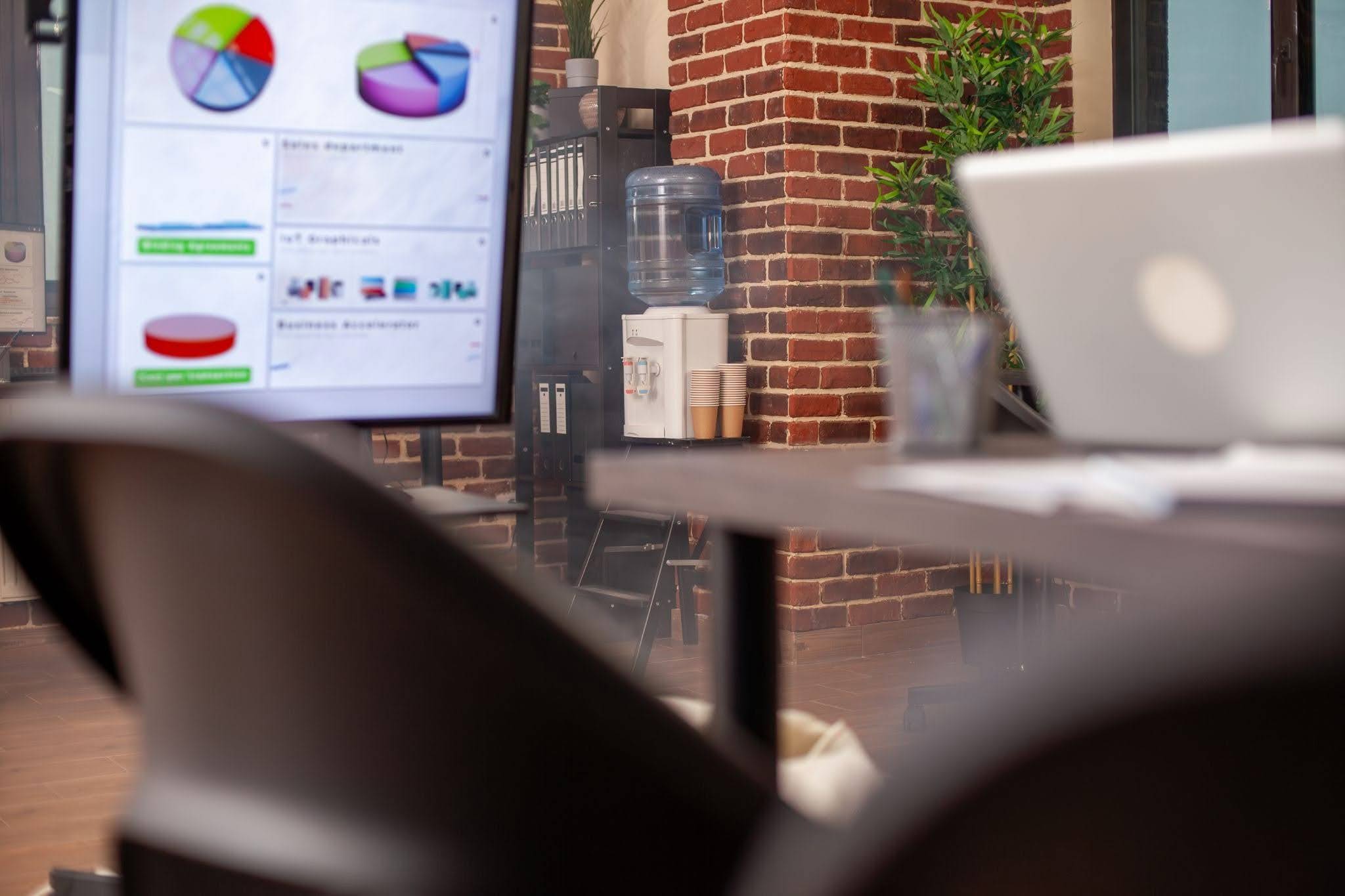
Picture the last meeting that fell apart before it began: the video froze, the microphone cut out, and half the room leaned in, straining to hear. That everyday frustration is exactly what audiovisual technology exists to remove. Audio visual (AV) is the combination of sound and visual technology, microphones, speakers, screens, projectors, and cameras working together so a space can be clearly seen and heard.
If you manage a school, run an office, or operate a café, AV sits quietly behind almost everything you do, and getting it wrong is expensive in time, money, and reputation.
Let’s understand what audiovisual means, what a system is made of, where it is used, and why it matters, so you can make confident decisions before you spend a dollar.
What Does Audio Visual (AV) Mean?
It is the pairing of audio (sound) and visual (image and video) technology into one connected system. The audio side captures, processes, and plays sound through microphones, mixers, and speakers. The visual side captures and displays images through cameras, screens, projectors, and interactive panels.
When people ask what an audiovisual setup actually is, they mean this connected group of devices, designed so that a presenter is seen and heard exactly as intended. A boardroom video call, a school assembly, a church service, and a retail display are all everyday examples of AV in action.
What are the Components of an Audio-Visual System?
If you are wondering what audiovisual equipment includes, a typical commercial system is built from five working parts:
- Input devices: microphones, cameras and document scanners that capture sound and vision.
- Display and output devices: screens, LED video walls, projectors, interactive panels, and speakers that present the content.
- Processing and control: mixers, amplifiers and control systems that route signals and let you run everything from one simple interface.
- Connectivity: the cabling, networking and AV-over-IP that ties the system together reliably.
- Source devices: laptops, media players, and conferencing platforms such as Microsoft Teams or Zoom that feed the system.
The skill is in matching these parts to a space. The right audiovisual equipment for a 10-seat boardroom is very different from that for a 400-seat school hall, and mismatched gear is the single most common cause of poor sound and clunky meetings.
Where is Audio Visual Used?
Audiovisual technology appears almost everywhere people gather, learn or do business:
- Schools and education: interactive panels, hall PA systems and undercover-area sound for assemblies and sport.
- Corporate offices: boardroom displays and certified Teams and Zoom rooms for hybrid meetings.
- Places of worship: clear congregation sound and live streaming.
- Cafés, bars and retail: zoned background music and digital signage that shapes the customer experience.
- Councils and recreation centres: public-address systems and meeting technology for community spaces.
Demand is climbing fast. Analysts value the global professional AV market at over USD 420 billion, growing at roughly 12.5% a year toward 2030, driven largely by hybrid work and remote collaboration (source).
Why is Audio Visual Important for Businesses?
For a business, AV is not decoration; it is a communication infrastructure. Good audiovisual technology improves communication in three practical ways. It removes friction, so meetings start on time and remote staff hear every word. It improves clarity, reducing the misunderstandings and repeated explanations that drain a workday. And it lifts engagement, because people retain far more from a sharp, well-presented message than a muffled one.
The reverse is just as real. Dropped calls, dead microphones, and screens nobody can read cost time, frustrate teams, and quietly chip away at a professional image. Reliable AV protects both productivity and reputation, which is why offices, schools, and councils treat it as a core investment rather than a nice-to-have.
What are the Types of Audio Visual Solutions?
Audiovisual solutions are usually grouped by what they help you do:
- Conferencing and collaboration: Teams and Zoom rooms, cameras and room control for hybrid meetings.
- Sound reinforcement and PA: speakers, microphones, and amplifiers for halls, venues, and outdoor areas.
- Display and signage: screens, video walls, and digital signage for information and promotion.
- Interactive and educational AV: touch panels and interactive whiteboards for classrooms and training.
- Streaming and recording: capturing services, lectures, or events for online audiences.
Most organisations need a blend, tailored to their needs and goals. This is where design and professional AV installation matter most: the same equipment can perform brilliantly or poorly depending on how it is specified, positioned, and configured.
Closing Thoughts
Audiovisual is simply the technology that lets a space be clearly seen and heard, from a single microphone to a fully integrated meeting room. Understanding the components, the settings and the solution types, and choosing the right system stops being daunting and starts saving you money over its lifetime.
The difference between a system that just works and one that constantly lets you down almost always comes down to how well it was designed and installed in the first place.
As Perth specialists with more than 10,000 installations across schools, offices, councils, and places of worship, 3 Monkeys AV designs, supplies, installs, and supports systems built around each space, then trains your team to run them with confidence. If an upgrade is on your horizon, that first-time-right approach is exactly what turns everyday communication from a frustration into something effortless.